1118, the fort of Malassis: a thousand years by the Epte
The estate is in Sainte-Geneviève-lès-Gasny, a village on the Epte next to Giverny. Behind its calm, a thousand years of records tell of a disputed border, a knights' ruse and the monks' vineyards.
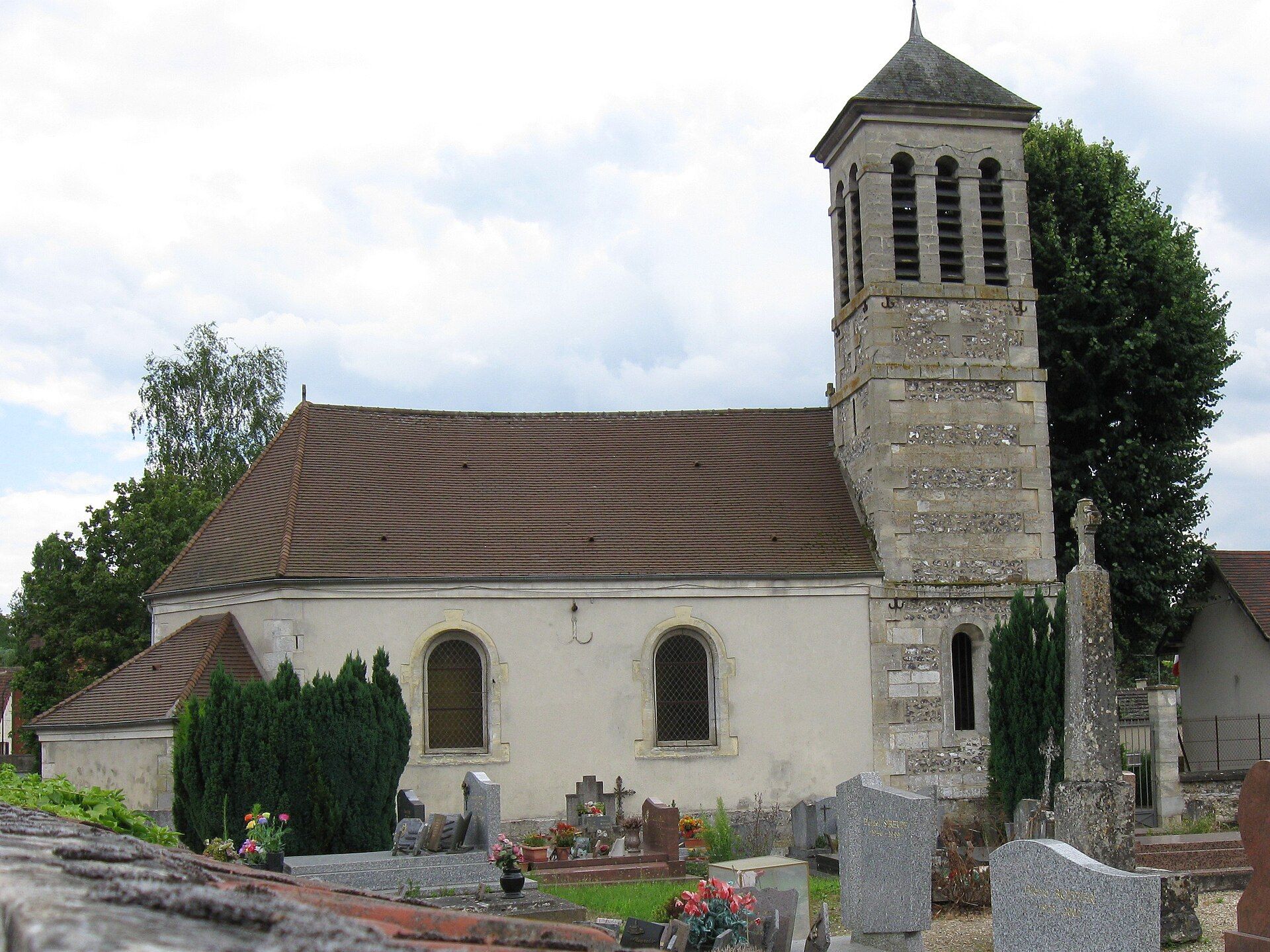
Around 1025: “Sancta Genovefa, with its church”
The village first appears in the records around 1025. A charter of Richard II, Duke of Normandy, confirms the lands of the abbey of Saint-Ouen in Rouen in the valley, among them “the estate called Sancta Genovefa with its church”, alongside Giverny. According to the same charter, these lands went back to Rollo, the first Duke of Normandy.
The name comes from Saint Genevieve. “Lès” simply means “near”: in 1292, a Latin deed already refers to the parish of Sainte-Geneviève “juxta Gaani”, near Gasny.
A border on the Epte
For centuries the Epte separated Normandy from the Kingdom of France: tradition traces this border back to the agreement of 911 between King Charles the Simple and Rollo. Sainte-Geneviève lies on the Norman bank, in what was called the Norman Vexin.
1118: knights disguised as monks
In 1118, King Louis VI of France was at war with Henry I Beauclerc, King of England and Duke of Normandy. According to the monk and chronicler Orderic Vitalis, Louis VI’s knights entered Gasny by a ruse, disguised as monks under black hoods, and fortified the small priory of the monks of Saint-Ouen.
Henry I hurried over and had two forts built to besiege them. The French mockingly nicknamed them “Malassis” (badly seated) and “Hare’s Lair”. The first lies within Sainte-Geneviève-lès-Gasny. Soon after, according to Suger, abbot of Saint-Denis and biographer of Louis VI, the French attacked the fort and wrecked it.
What remains is an earth mound about 17 m (56 ft) across and 4 m (13 ft) high, ringed by a ditch. Archaeologists published its plan in 2008. The site is not developed and is most likely on private land: it cannot be visited.
The monks’ mill and vineyards
In 1214, the knight Étienne de Mareville allowed the monks of Saint-Ouen to build a mill at Sainte-Geneviève, “where they once had a mill”, with the water returning to its course “before the gate of Sainte-Geneviève”.
The monks also had vineyards there. A deed from their abbey sets out the work of the winegrower who tended their three arpents of vines: each year he had to dig a hundred trenches, prune and train the vines, and he received 6 deniers to buy a billhook and 4 deniers for gloves. Around 1879, the village still had 5 hectares (12 acres) of vines, a flour mill and a sawmill.
From the Revolution to today
- 1793: the village is called “La Vallée sur Gasny”. It takes back the name Sainte-Geneviève in 1801.
- 1816: the church of Sainte-Geneviève is rebuilt; the date is carved on the building.
- 1921: the village is down to 123 inhabitants. Today there are about 650.
- 1985: part of the village becomes part of the protected site “Giverny-Claude Monet, the confluence of the Seine and the Epte”.
From the estate
The estate sits on the banks of this same Epte, a 4-minute drive from Giverny. To keep traveling back in time, Château-Gaillard and La Roche-Guyon tell the rest of the story of the Norman border: see Giverny & around.
Sources: charter of Richard II and deeds of Saint-Ouen (Scripta edition, University of Caen); Orderic Vitalis, Ecclesiastical History; B. Lepeuple, “Deux contre-châteaux d’Henri Ier Beauclerc en 1118-1119”, Presses universitaires de Rouen et du Havre, 2008; A. Le Prévost, Mémoires et notes pour servir à l’histoire du département de l’Eure, 1862-1869; Charpillon and Caresme, Dictionnaire historique des communes de l’Eure; EHESS, Des villages de Cassini aux communes d’aujourd’hui; French Ministry of Culture Mérimée database; DREAL Normandie.
Frequently asked questions
- What is the fort of Malassis?
- A fort built in 1118 by Henry I Beauclerc, King of England and Duke of Normandy, to besiege the French king's troops holding Gasny. It lies within Sainte-Geneviève-lès-Gasny. The site is not developed and cannot be visited.
- Where does the name Sainte-Geneviève-lès-Gasny come from?
- The village is named after Saint Genevieve; “lès” means “near”: Sainte-Geneviève near Gasny. Medieval charters call it “Sancta Genovefa”.
- Is Sainte-Geneviève-lès-Gasny far from Giverny?
- No, the two villages are neighbors on the Epte. The estate is a 4-minute drive from the village of Giverny.